Strategy before search.
In a market that rewards impulse, I start with a dialogue. Before we look at an asset, I audit your goals and risk appetite. It is the only way to separate a high-end brochure from a high-performance portfolio.
Five principles that guide every decision
Dubai real estate triggers emotion. Strategy absorbs it.
Dubai's property market is engineered to excite. Developer launches are spectacles. Skyline imagery sells aspiration. Social proof creates urgency. None of this is inherently wrong — but it is inherently emotional.
The challenge for overseas investors is clear: how do you make disciplined capital allocation decisions in a market that rewards impulse? The answer isn't to avoid Dubai. It's to build a decision framework that functions independently of the market's emotional cycles.
My role as a fiduciary begins here — separating what you feel from what the data says, creating the friction required for rigorous analysis before capital moves.
"Emotional decisions rarely produce optimal investment outcomes."
Strategy is a conversation — not a transaction.
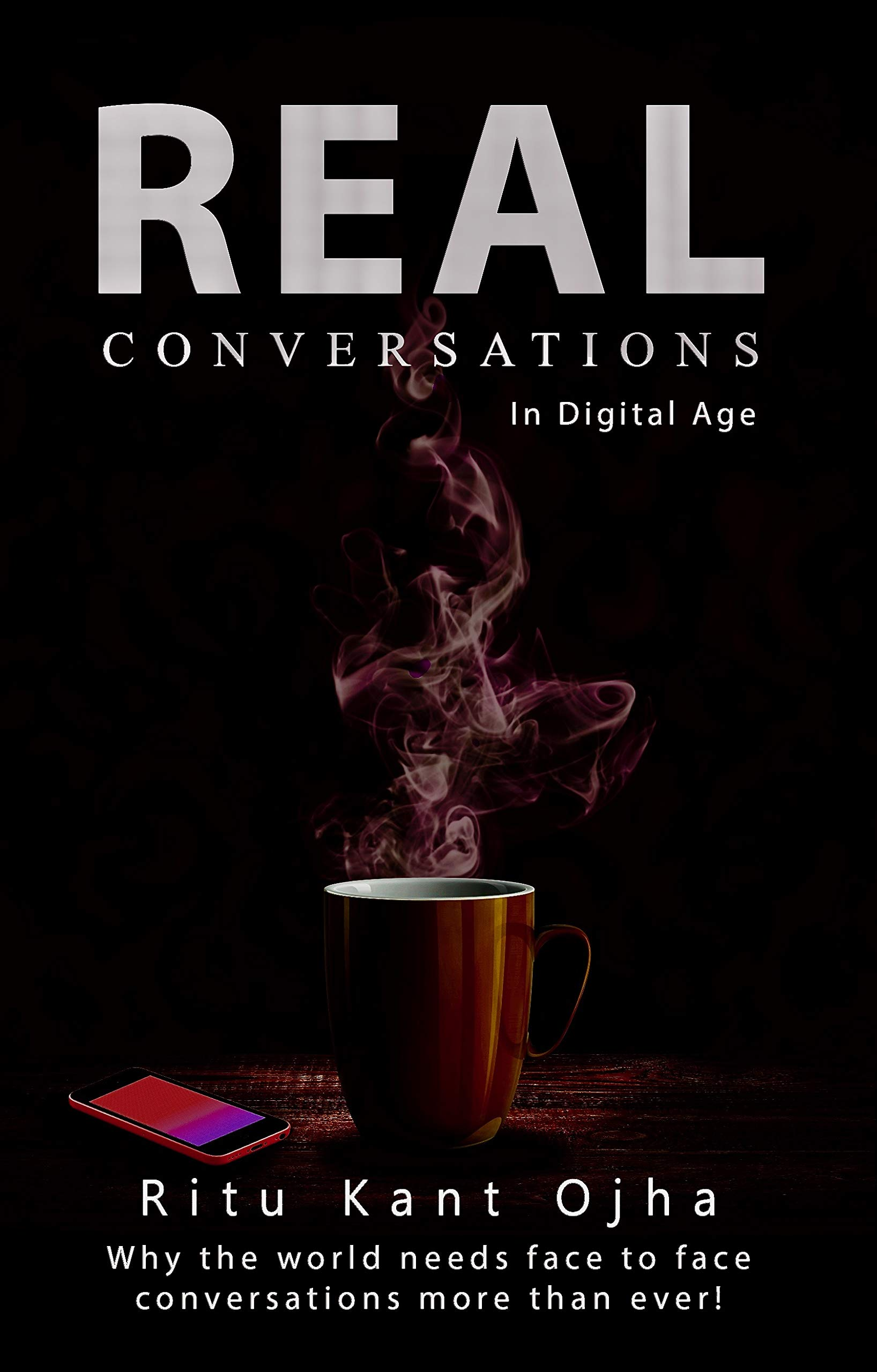
The same conviction that shapes my advisory practice — that real outcomes require real dialogue — led me to write this book.
Every principle above — separating emotion from strategy, demanding honesty about liquidity, thinking in portfolios rather than trophies — depends on one thing: the quality of conversation between advisor and investor. Strip that away, and even the best framework collapses into another sales pitch delivered over a group WhatsApp.
Real Conversations in the Digital Age examines why that collapse is happening everywhere — not just in real estate but across business, relationships, and public life. Drawing on nearly two decades as a business journalist, corporate trainer, and master NLP practitioner, I trace how the attention economy has quietly eroded our capacity for the kind of face-to-face dialogue that builds trust, reveals nuance, and holds people accountable.
The book is not a rejection of technology — it is a discipline manual. From the loneliness epidemic that governments from the UAE to Japan are scrambling to address, to the broken feedback loops that cost companies millions, each chapter builds the case that authentic human connection is the most under-valued asset in a digital world. The final chapter includes the "Real Conversations Analysis" — a practical framework for auditing your own conversational habits and taking the first steps to reconnect.